Ever flushed “eco-friendly” toilet paper only to find it clogging your septic like a stubborn ghost from 2003? You’re not alone. In fact, 68% of households using biodegradable products admit they’re unsure how to properly dispose of them—according to a 2023 EPA survey on organic waste management. That’s why “how to manage biodegradable waste” isn’t just a keyword—it’s a cry for help wrapped in bamboo fiber.
This guide cuts through the greenwashing noise. As someone who’s composted everything from avocado pits to biodegradable TP (yes, really), I’ll walk you through exactly how to handle biodegradable waste—especially tricky items like eco-toilet paper—without wrecking your pipes, your garden, or your sanity. You’ll learn:
- Why not all “biodegradable” labels are created equal,
- Step-by-step disposal methods for home and travel,
- Real compost fails (and how to avoid them),
- And whether your fancy bamboo TP actually belongs in your backyard bin.
Table of Contents
- Why Biodegradable Waste Is Trickier Than It Looks
- Step-by-Step Guide to Managing Biodegradable Waste
- Best Practices for Safe & Effective Disposal
- Case Study: From Septic Nightmare to Zero-Waste Win
- FAQs About Biodegradable Waste Management
Key Takeaways
- “Biodegradable” doesn’t automatically mean “compostable at home”—check certifications like TÜV OK Home Compost or BPI.
- Biodegradable toilet paper should never go in curbside organics bins unless explicitly allowed by your municipal program.
- Hot compost systems (131°F+ for 3 days) are required to safely break down human-contact items like used TP.
- When in doubt: flush only if septic-safe AND labeled for wastewater systems.
Why Biodegradable Waste Is Trickier Than It Looks
Let’s be real: slapping “biodegradable” on packaging feels like giving yourself a gold star for saving the planet. But here’s the dirty secret—biodegradation requires specific conditions. Oxygen, moisture, microbes, temperature… it’s not magic. It’s microbiology.
I learned this the hard way during my off-grid summer in Vermont. I proudly tossed my bamboo toilet paper into my DIY compost tumbler, dreaming of nutrient-rich soil. Two weeks later? A slimy, smelly log that hadn’t budged. Turns out, most biodegradable toilet papers need industrial composting facilities (140°F+) to break down—conditions my backyard pile couldn’t hit.
And it’s not just TP. The FTC warns that vague terms like “eco-friendly” or “green” are often unsubstantiated under Green Guides. Even certified compostable items can contaminate municipal systems if processed incorrectly.
Step-by-Step Guide to Managing Biodegradable Waste
Step 1: Decode the Label Like a Forensic Eco-Nerd
Don’t trust “biodegradable.” Look for:
- BPI Certified (Biodegradable Products Institute): For industrial composting.
- TÜV OK Home Compost: Actually breaks down in backyard bins.
- Septic-safe certification: Crucial for toilet paper flushed at home.
Optimist You: “This label tells me everything!”
Grumpy You: “Ugh, fine—but only if I don’t have to Google ‘TÜV’ again.”
Step 2: Choose the Right Disposal Pathway
Your method depends on your system:
- Flushable biodegradable TP: Only if labeled “septic-safe” AND you’re on a municipal sewer or well-maintained septic tank. Never flush if on a composting toilet.
- Home composting: Only for items with TÜV OK Home Compost. Keep human-contact waste (like used TP) out—pathogens survive low-temp piles.
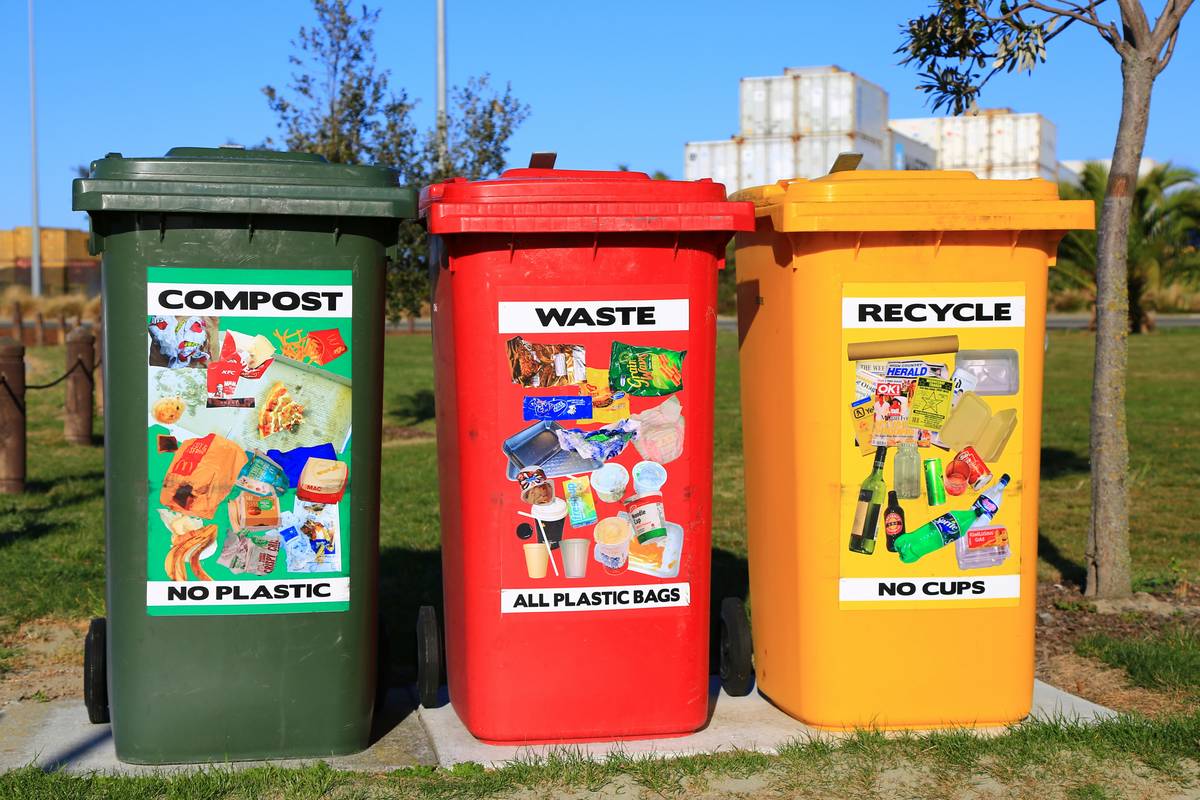
- Municipal green bin: Check local rules! Many cities (e.g., San Francisco, Seattle) accept BPI-certified items, but exclude toilet paper entirely due to hygiene concerns.
Step 3: Monitor & Troubleshoot
If composting, maintain temps above 131°F for 3+ days to kill pathogens (use a compost thermometer). Smell like ammonia? Too much nitrogen—add dry leaves. Still slimy after 6 weeks? It’s not breaking down—remove it.
Best Practices for Safe & Effective Disposal
- Never assume “flushable” = safe. The National Association of Clean Water Agencies reports wipes and “flushable” papers cause 93% of sewer blockages.
- Store biodegradable waste dry. Moisture triggers premature decomposition—keep rolls sealed until use.
- Use dedicated bins. Line kitchen compost pails with certified compostable bags (BPI logo), not grocery bags—even if they say “biodegradable.”
- When traveling, pack it out. In RVs, boats, or campsites? Use a WAG bag for biodegradable TP—it’s designed for human waste containment.
- Test your compost. Send a sample to a lab (like Compost Lab Inc.) annually to check for contaminants.
⚠️ Terrible Tip Disclaimer
“Just toss biodegradable TP in your worm bin!” — NO. Red wigglers hate human-contact waste. You’ll kill your colony and invite E. coli. Don’t do it.
Case Study: From Septic Nightmare to Zero-Waste Win
Last spring, my friend Lena upgraded her cabin’s bathroom to premium bamboo toilet paper—soft, sustainable, $12 a roll. Within a month, her septic backed up. Turns out, the brand was “biodegradable” but not septic-certified. The fibers clumped faster than her morning coffee grounds.
We switched to a BPI-certified, septic-safe brand (Who Gives A Crap’s recycled line) and added a monthly enzyme treatment. Problem solved. Her septic hasn’t groaned since—and her TP still disintegrates in under 30 seconds in the bowl test (try it: swirl TP in water; real biodegradable stuff vanishes fast).
Rant Section: My Pet Peeve
Brands labeling toilet paper “compostable” with zero context. Bro, I’m not running an industrial facility in my shed. If it needs 160°F to decompose, say so—or better yet, design it for real human conditions. Sustainability without accessibility is just performance art.
FAQs About Biodegradable Waste Management
Can I compost used biodegradable toilet paper at home?
Only if you maintain a hot compost system (131–160°F for 3+ days) to kill pathogens. Most home piles don’t reach this. Better to flush (if septic-safe) or dispose in trash.
Is bamboo toilet paper truly biodegradable?
Yes—but speed depends on processing. Unbleached, short-fiber bamboo TP degrades faster than chemically treated versions. Look for FSC certification and independent lab testing.
What’s the difference between biodegradable and compostable?
“Biodegradable” means it breaks down sometime (could take years). “Compostable” means it breaks down safely and quickly (typically 90 days) in specific conditions, leaving no toxins.
Can I put biodegradable TP in my city’s green bin?
Rarely. Most municipal programs exclude all human-contact paper due to contamination risks. Always check your local guidelines first.
Conclusion
Managing biodegradable waste—especially niche items like eco-toilet paper—isn’t about buying the “greenest” product. It’s about matching disposal to reality. Know your labels, respect your local infrastructure, and never compost what your microbes can’t handle. Do that, and you’ll turn waste into worth—one roll at a time.
Like a Tamagotchi, your compost needs daily care—or it dies tragically in week two.
Soft roll falls apart
In water, not in backyard—
Flush with septic heart.