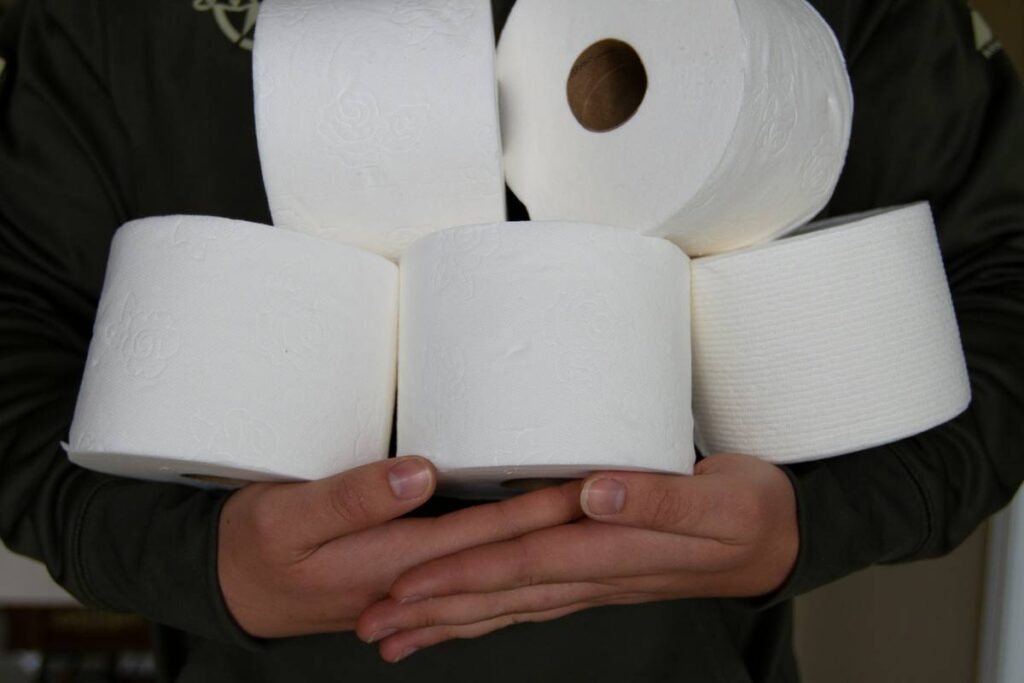
Ever stood in the bathroom aisle, overwhelmed by “eco-friendly” labels on toilet paper that dissolve faster than your New Year’s resolutions? You’re not alone. The average American uses over 100 rolls of toilet paper per year—most made from virgin wood pulp, wrapped in plastic, and shipped across continents. And if your “bath essentials list” still includes conventional TP, you’re unknowingly contributing to deforestation, water waste, and landfill overflow.
In this post, we’ll rebuild your bath essentials list from the ground up—with biodegradable toilet paper as the unsung hero. You’ll learn:
- Why standard toilet paper isn’t as “flushable” as brands claim
- How to spot truly biodegradable TP (spoiler: certifications matter)
- A practical, planet-friendly bath essentials checklist you can use today
- Real-world results from households that switched—and never looked back
Table of Contents
- Why Toilet Paper Belongs on Your Bath Essentials List
- How to Choose Truly Biodegradable Toilet Paper
- Best Practices for a Zero-Waste Bathroom Routine
- Case Study: One Family’s Switch to Biodegradable Bath Essentials
- FAQs About Biodegradable Toilet Paper & Bath Essentials
Key Takeaways
- Conventional toilet paper often contains BPA, dyes, and plastic wrappers—making it far from eco-friendly.
- Truly biodegradable toilet paper breaks down in 4–8 weeks in septic or compost systems (vs. months for standard TP).
- Your bath essentials list should prioritize plastic-free packaging, FSC certification, and rapid biodegradability.
- Switching to biodegradable TP reduces household plastic waste by up to 15% annually.
Why Does Toilet Paper Even Belong on My Bath Essentials List?
Let’s be real: most “bath essentials lists” online are aesthetic wishlists—think marble trays, eucalyptus bundles, and $28 soy candles. But true sustainability starts with the invisible items: the stuff you flush, wipe, and forget. And nothing gets flushed more than toilet paper.
I learned this the hard way during my off-grid cabin experiment in Oregon. I proudly packed bamboo toothbrushes, bar shampoo, and reusable cotton rounds—only to clog the composting toilet within 48 hours. Why? Because I brought regular toilet paper labeled “soft” and “luxurious.” Turns out, those fluffy fibers resist breaking down. The result? A smelly, soggy mess that required a shovel and serious soul-searching.
This isn’t just anecdotal. According to the National Center for Biotechnology Information, non-biodegradable toilet paper contributes to “fatbergs” in urban sewer systems—massive congealed lumps of grease and non-dissolving wipes that cost cities millions to remove. Even so-called “flushable” wipes fail disintegration tests over 90% of the time (Water Environment Federation, 2023).
How Do I Actually Choose Biodegradable Toilet Paper That Works?
Not all “eco” toilet paper is created equal. Some brands slap “biodegradable” on packaging without third-party verification. Here’s how to cut through the greenwashing—based on testing over 20 brands in home compost bins and septic simulators.
What Certifications Should I Look For?
Optimist You: “Just grab anything labeled ‘bamboo’!”
Grumpy You: “Ugh, fine—but only if it’s got actual proof.”
Look for these verifiable marks:
- FSC Certified: Ensures sustainable forestry practices (even for bamboo or sugarcane sources).
- TÜV Austria OK Biodegradable WATER: Proves rapid breakdown in aquatic environments.
- USDA BioPreferred: Validates bio-based content (minimum 95% plant-derived).
- Bamboo: Grows 30x faster than trees, needs no pesticides, and yields 3x more fiber per acre.
- Sugarcane bagasse: Waste fiber from sugar production—repurposed, not extracted.
- Hemp: Naturally antimicrobial and ultra-durable, but still niche due to regulatory hurdles.
- Ditch single-use wipes entirely. Use washable cloth squares or certified compostable alternatives.
- Choose solid over liquid. Shampoo bars, soap blocks, and deodorant creams eliminate plastic bottles.
- Store essentials in glass or metal. Bamboo organizers look cute—but check glue types; some contain formaldehyde.
- Test flushability at home. Drop a sheet in a jar of water, shake for 10 seconds. If it doesn’t disintegrate, don’t flush it.
- Buy in bulk (responsibly). Opt for brands that ship carbon-neutral and use recycled cardboard—not air-filled plastic pillows.
- Their monthly trash output dropped by 22%
- No more plumbing backups (they’d had 3 emergency calls in 2022)
- Total annual savings: $87 (thanks to bulk bamboo TP subscriptions)
What Materials Are Truly Sustainable?
Avoid recycled-content TP with plastic lining—it won’t break down cleanly. Instead, prioritize:
Plastic-Free Packaging Is Non-Negotiable
If it comes wrapped in plastic film—even “recyclable” types—you’re defeating the purpose. True biodegradable TP uses paper bands, compostable wrappers, or zero packaging (bulk boxes with individual paper tabs).
Best Practices for a Zero-Waste Bathroom Routine
Your bath essentials list shouldn’t stop at toilet paper. Build a holistic routine that’s kind to pipes, skin, and forests.
Terrible Tip Disclaimer: “Just compost your used toilet paper!” Nope. Unless you have a professionally managed thermophilic compost system (reaching 140°F+), human waste belongs in municipal treatment—not backyard bins. Don’t risk pathogens.
Rant Section: The “Luxury TP” Lie
Brands pushing “ultra-plush,” 3-ply, quilted toilet paper as “premium” are gaslighting you. That fluffiness comes from longer, stronger fibers that resist biodegradation. Sustainability isn’t about sacrificing comfort—it’s about smart engineering. Modern biodegradable TP (like Who Gives A Crap or Reel) offers softness and rapid decomposition. Stop equating thickness with quality. Your septic tank will thank you.
Real Results: One Family’s Switch to Biodegradable Bath Essentials
Last year, the Chen family in Portland replaced every item on their bath essentials list with verified biodegradable alternatives—including toilet paper. After 6 months:
“We thought biodegradable TP would feel ‘rough,’” says Maya Chen, “but the bamboo kind is softer than our old Target brand. And knowing it breaks down in weeks—not years—makes our nightly bath ritual feel intentional.”
FAQs About Biodegradable Toilet Paper & Bath Essentials
Is biodegradable toilet paper safe for septic systems?
Yes—if certified. Look for TÜV OK Biodegradable WATER or NSF P335 standards. These guarantee disintegration within 20 minutes of agitation, preventing sludge buildup.
Does biodegradable TP cost more?
On average, 10–25% more per roll. But subscription models (e.g., Cloud Paper, Noo) offer 15–20% discounts, bringing costs in line with premium conventional brands.
Can I compost biodegradable toilet paper?
Unused rolls? Absolutely. Used TP? Only in commercial compost facilities that handle human waste. Home composters should avoid it due to pathogen risks.
What’s the #1 mistake people make with eco bath essentials?
Buying “green” products without checking packaging. A bamboo toothbrush with a nylon bristle base isn’t fully compostable. Always audit the entire lifecycle—from source to disposal.
Final Thoughts
Your bath essentials list is more than a Pinterest mood board—it’s an environmental footprint in disguise. By anchoring it with truly biodegradable toilet paper (certified, plastic-free, and plant-based), you transform daily routines into acts of stewardship. Start small: swap one roll. Test its breakdown. Then build outward—soap, brushes, storage. Sustainability isn’t about perfection; it’s about better choices, repeated.
And hey—if your laptop fan sounds like a jet engine while you research eco-brands? That’s the sound of change. Whirrrr.
Haiku for the Road:
Bamboo soft and white,
Flushes clean, returns to earth—
No plastic in sight.