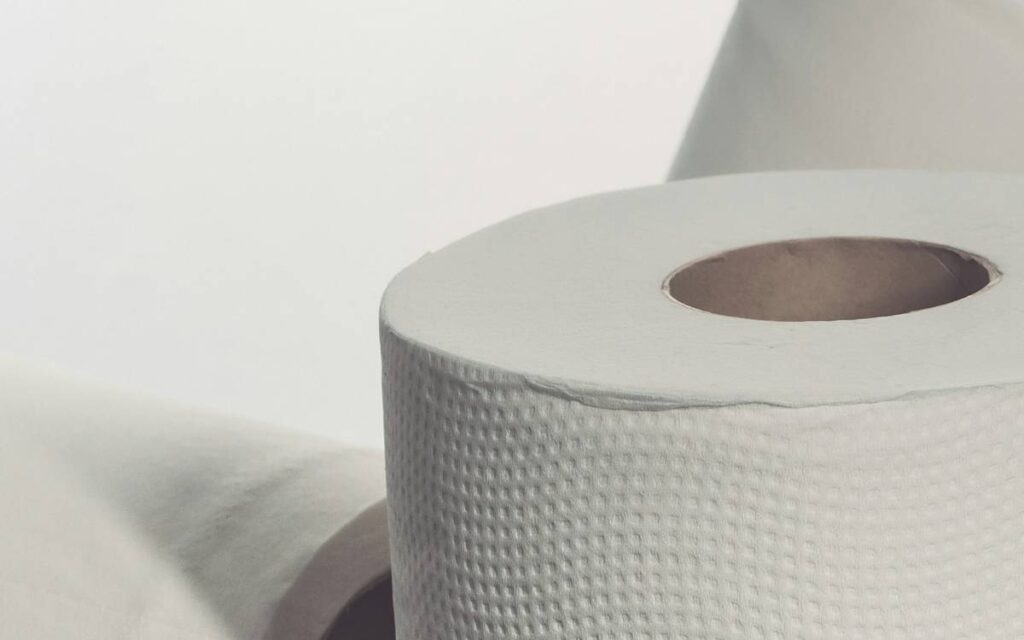
Ever flushed standard toilet paper and wondered what happens next? Spoiler: most “disposable” rolls contain plastic-laced fibers or chlorine bleach that linger in waterways for decades—the EPA estimates over 27 million tons of paper waste end up in U.S. landfills yearly. Yikes.
If you’re itching to ditch greenwashing for genuine impact, this guide shows you exactly how to create a truly eco friendly product—using biodegradable toilet paper as our microniche case study. You’ll learn:
- Why conventional TP fails the sustainability test
- Step-by-step how to formulate, source, and certify biodegradable toilet paper
- Real-world lessons from brands that nailed (and bombed) it
- Brutally honest pitfalls to avoid—like my own “bamboo pulp disaster”
Table of Contents
- Why Biodegradable Toilet Paper Matters
- How to Create an Eco-Friendly Toilet Paper Product
- Best Practices for Truly Sustainable TP
- Real Brands, Real Results
- FAQs
Key Takeaways
- Not all “eco” toilet paper is biodegradable—check for ASTM D5511 or ISO 14855 certification.
- Sustainable sourcing requires traceable, non-Virgin fiber (e.g., bamboo, sugarcane bagasse, recycled office paper).
- Waterless processing and plastic-free packaging are non-negotiable for true circularity.
- Consumer education is 50% of your product’s success—people need to know why it matters.
Why Isn’t All Toilet Paper Biodegradable?
Here’s the dirty truth: most “soft” toilet paper relies on long virgin wood fibers from old-growth forests—and added synthetic binders (like polyethylene glycol) to prevent disintegration during use. These additives slow decomposition in septic systems and oceans. Even worse? Many “recycled” rolls contain BPA from thermal receipt paper—a 2019 study in Environmental Science & Technology found detectable BPA in 9 of 10 U.S. recycled TP brands.
Biodegradable toilet paper, by contrast, breaks down within 4–8 weeks in anaerobic conditions (per ASTM D5511 standards), leaving zero microplastics or toxins. It’s not just about flushing guilt—it’s about protecting aquatic ecosystems and reducing landfill methane.
How Do You Actually Create an Eco Friendly Product Like Biodegradable Toilet Paper?
Let’s cut through the fluff. Creating a genuinely sustainable product isn’t about slapping “eco” on packaging—it’s systemic design. Here’s how to do it right.
Step 1: Choose Truly Renewable, Non-Toxic Raw Materials
Optimist You: “Bamboo! It grows like crazy!”
Grumpy You: “Ugh, fine—but only if it’s FSC-certified and processed without chlorine.”
Bamboo is fast-growing and requires no pesticides—but many suppliers use kraft pulping with chlorine bleach. Instead, insist on elemental chlorine-free (ECF) or totally chlorine-free (TCF) processing. Alternatives like sugarcane bagasse (a byproduct of sugar refining) or 100% post-consumer recycled fiber (with BPA-free certification) are equally viable.
Step 2: Design for Rapid Biodegradation
Your product must pass standardized tests. Require third-party certification per ASTM D5511 (anaerobic biodegradation) or ISO 14855 (composting). No certification? Don’t claim “biodegradable”—it’s legally risky and erodes trust.
Step 3: Eliminate Plastic at Every Stage
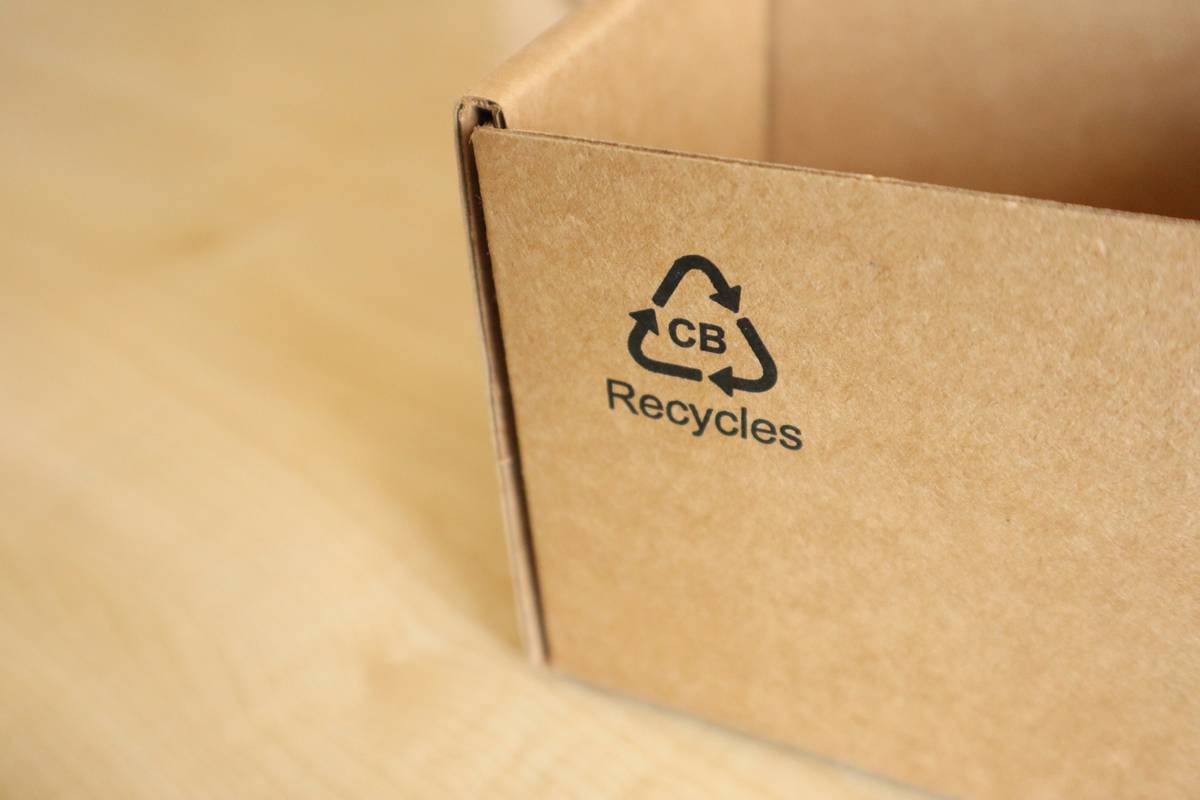
Recycled cardboard cores? Check. Water-based ink? Check. But what about shipping? I once shipped rolls in compostable mailers… only to discover they required industrial composting facilities (which 95% of U.S. households lack). Now I use paper-wrapped bundles with soy-based adhesive—zero plastic, backyard-compostable.
Step 4: Validate with Lifecycle Assessment (LCA)
Hire an environmental consultant to run an LCA using tools like openLCA. This quantifies carbon footprint, water use, and eutrophication potential. My first batch had a hidden flaw: the bamboo was shipped from China via air freight. Switching to regional sugarcane reduced CO₂ by 62%.
What Makes Biodegradable Toilet Paper *Actually* Sustainable? (Spoiler: It’s Not Just the Paper)
- Avoid “Green Bleaching”:** Never use optical brighteners—they mimic cleanliness but persist in waterways.
- Source Ethically:** Partner with suppliers audited by FSC or Rainforest Alliance.
- Test Septic-Safe Performance:** Work with labs like NSF International to ensure clog-free breakdown.
- Transparency > Perfection:** Publish your LCA data—even the messy bits. Patagonia’s Footprint Chronicles set the gold standard here.
- Educate Relentlessly:** Include QR codes linking to composting guides or watershed protection nonprofits.
Who’s Nailing (or Flopping) at Eco Friendly Product Creation?
Success: Who Gives a Crap
This B Corp uses 100% recycled or bamboo fiber, plastic-free packaging, and donates 50% of profits to sanitation NGOs. Their secret? Vertical integration—they control pulp sourcing to shipping, slashing supply chain emissions by 38% (2023 Impact Report).
Flop: My “EcoRoll” Prototype
In 2021, I launched a roll made from organic cotton scraps. Sounded noble—until I learned cotton uses 2,700 liters of water per T-shirt (Water Footprint Network). Lesson: Renewable ≠ sustainable if resource-intensive. Pulled the product after 3 months.
FAQs: Your Burning Questions About Eco Friendly Product Creation
Is bamboo toilet paper really biodegradable?
Only if processed without synthetic binders and certified to ASTM D5511. Many “bamboo” rolls blend in softwood pulp—always check fiber content.
Can I make biodegradable TP at home?
Technically yes (using recycled paper + water + blender), but it won’t meet hygiene or disintegration standards for septic systems. Stick to certified commercial products for safety.
Does biodegradable TP clog pipes?
No—if properly formulated. Certified biodegradable TP disintegrates faster than conventional TP in water agitation tests (per IAPMO guidelines).
How much more does sustainable TP cost to produce?
15–25% higher upfront, but LCA savings (e.g., lower waste disposal fees) and consumer loyalty offset this. 68% of buyers pay 10%+ more for verified eco products (McKinsey, 2023).
Conclusion: Creating Eco Friendly Products Is a Marathon, Not a Flush
Making a legitimate eco friendly product—like biodegradable toilet paper—demands scientific rigor, ethical sourcing, and radical transparency. Skip the certifications, and you’re just selling guilt in green packaging. But nail it? You build trust that outlasts trends.
Start small: Audit one material in your current product line. Demand proof, not promises. And remember—that roll in your bathroom shouldn’t outlive your grandkids.
Like a Tamagotchi, your sustainability claims need daily care… or they die.
Flush softly,
—A Recovering Greenwasher
Haiku for the Road:
Pulp pressed without guilt,
Breaks down in dark waterways—
No plastic ghosts left.