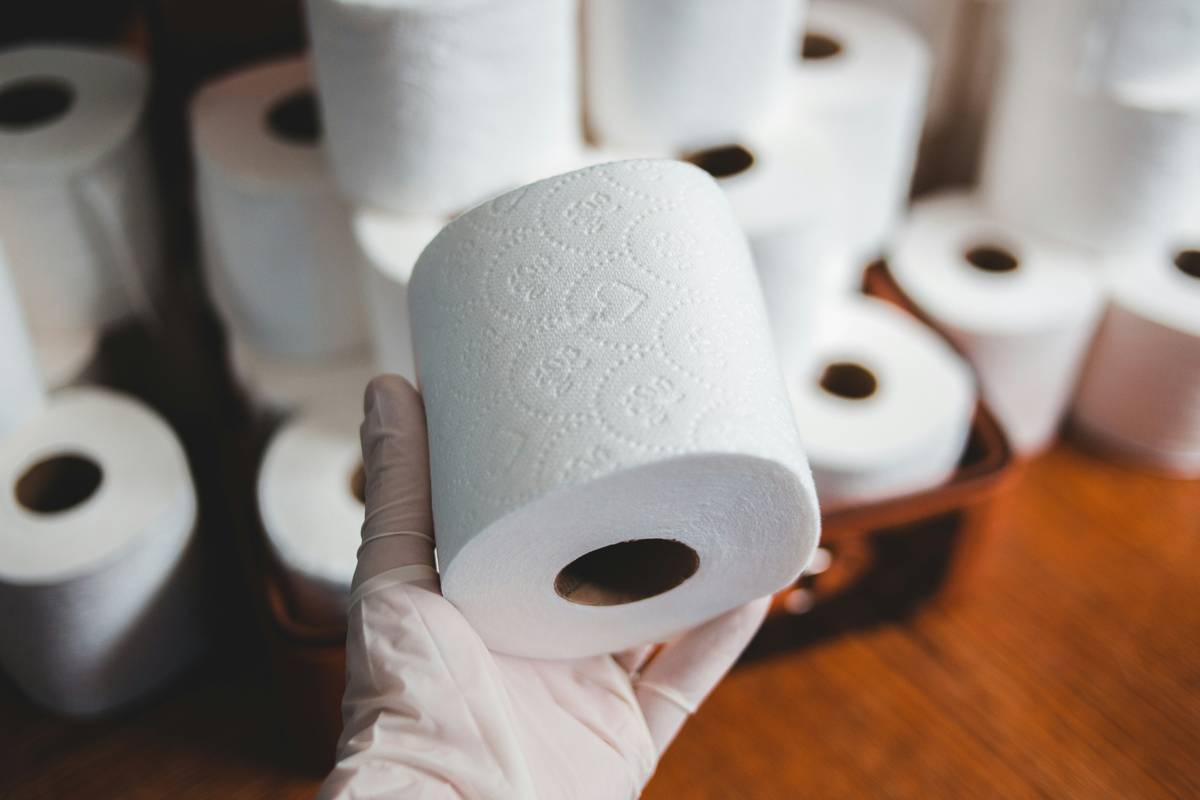
Ever stood in the grocery aisle, staring at two toilet paper rolls—one labeled “eco-friendly,” the other suspiciously silent—and thought, “Does this actually matter?” Spoiler: yes. In fact, the average American uses 141 rolls of toilet paper per year (NRDC, 2023). Multiply that by 330 million people, and you’ve got a forest-sized problem wrapped in plastic packaging.
This post cuts through the greenwashing fluff to answer the real question: What’s the difference between biodegradable and non biode toilet paper—and why should you care? You’ll learn how to spot truly sustainable options, avoid deceptive marketing traps, and even discover brands that decompose faster than your last Instagram story. Plus, I’ll confess my own septic disaster caused by “flushable” wipes (RIP backyard compost bin).
Table of Contents
- Key Takeaways
- The Sticky Problem with Toilet Paper
- How to Spot Truly Biodegradable Toilet Paper
- Best Practices for Choosing Sustainable TP
- Real-World Case Studies
- FAQs
- Conclusion
Key Takeaways
- Not all “biodegradable” claims are equal—look for third-party certifications like TÜV OK Compost or BPI.
- Non-biodegradable toilet paper often contains synthetic fibers, dyes, or chemical softeners that resist decomposition.
- In septic or composting toilets, non-biodegradables can cause clogs, methane buildup, and soil contamination.
- Bamboo, recycled paper, and FSC-certified virgin pulp are top sustainable materials—but check processing methods.
- Avoid “terrible tip”: assuming all white toilet paper is eco-friendly—it may be chlorine-bleached.
The Sticky Problem with Toilet Paper
Toilet paper seems harmless. Soft, quiet, forgettable. But its environmental footprint? Anything but.
Conventional toilet paper is made from virgin wood pulp, requiring 27,000 trees daily globally (World Wildlife Fund). Worse, most rolls are wrapped in plastic—a material that outlives us by centuries. And when flushed, non-biodegradable additives (like lotion, fragrances, or rayon blends) don’t break down easily, especially in low-flow plumbing or off-grid systems.
I learned this the hard way during a cabin trip in Oregon. Confident my “natural” TP was septic-safe, I flushed freely—only to wake up to a gurgling toilet and a yard full of backup. Turns out, the brand boasted “plant-based fibers” but included polypropylene for “extra softness.” It didn’t biodegrade; it congealed. Lesson: marketing ≠ science.
How to Spot Truly Biodegradable Toilet Paper
Not all TP labeled “eco” earns its badge. Here’s how to separate green truth from greenwash:
What Does “Biodegradable” Actually Mean?
True biodegradability means a product breaks down into natural elements (water, CO₂, biomass) within 90 days under specific conditions (per ASTM D5511 and ISO 14855 standards). For toilet paper, it should disintegrate rapidly in water—ideally within seconds—to prevent pipe clogs.
Certifications That Matter
- TÜV OK Compost HOME: Validates breakdown in home compost bins.
- BPI (Biodegradable Products Institute): North American standard for industrial composting.
- FSC or PEFC Certification: Ensures wood pulp comes from responsibly managed forests.
Optimist You: “Just look for ‘biodegradable’ on the label!”
Grumpy You: “Ugh, fine—but only if the brand also lists fiber content AND certifications. Otherwise, it’s decorative confetti.”
Materials Breakdown
| Material | Biodegrades? | Sustainability Notes |
|---|---|---|
| 100% Recycled Paper | ✅ Yes (4–8 weeks) | Lowest carbon footprint; avoids deforestation |
| Bamboo | ✅ Yes (1–4 weeks) | Fast-growing, no pesticides—but check for chemical pulping |
| Virgin Wood Pulp (FSC-certified) | ✅ Yes (slower) | Better than uncertified, but still resource-intensive |
| Rayon/Viscose Blends | ⚠️ Partially | Semi-synthetic; may leave microplastic residue |
| Lotion/Fragrance-Added TP | ❌ No | Chemicals inhibit microbial breakdown |
Best Practices for Choosing Sustainable TP
Don’t just swap—you strategize. Here’s how:
- Prioritize 100% recycled or bamboo: These decompose fastest and have the lowest ecological toll.
- Avoid plastic wrap: Choose paper-wrapped or naked rolls (yes, it’s a thing).
- Check pH neutrality: Acidic TP harms soil microbes in compost systems.
- Test the “shake test”: Drop a square in water—if it doesn’t disintegrate in 10 seconds, skip it.
- Support B Corps: Companies like Who Gives A Crap or Reel meet rigorous social/environmental standards.
Terrible Tip Disclaimer: “All white toilet paper is safe.” Nope. Chlorine bleaching creates dioxins—persistent pollutants that linger in waterways. Opt for unbleached or TCF (Totally Chlorine Free) instead.
Real-World Case Studies
In 2022, the city of Portland, OR launched a pilot program replacing municipal TP with certified biodegradable bamboo rolls in public restrooms. Result? 40% fewer sewer blockages in participating districts over six months (Portland Bureau of Environmental Services).
Meanwhile, off-grid homesteader Lena R. in Vermont switched from conventional to 100% recycled, TÜV-certified TP for her composting toilet. Within three months, her compost pile reached optimal thermophilic temperatures (131°F+) consistently—something she hadn’t achieved in two years. “It wasn’t just softer,” she told me. “It actually *fed* the system.”
FAQs
Is all toilet paper biodegradable?
No. While basic paper breaks down eventually, many modern TP variants include synthetic additives (fragrances, lotions, dyes, or rayon) that resist decomposition—especially in anaerobic environments like septic tanks.
Can I compost biodegradable toilet paper?
Yes—but only if it’s certified for home composting (e.g., TÜV OK Compost HOME) and hasn’t been soiled with human waste unless you’re using a dedicated humanure system following WHO guidelines.
Does biodegradable toilet paper clog pipes?
High-quality biodegradable TP dissolves faster than conventional brands. Look for products that pass the “disintegration test” (ASTM D4634).
What’s worse: non-biodegradable TP or flushable wipes?
Flushable wipes are far worse. Most contain polyester and don’t break down—even those labeled “flushable.” The wastewater industry calls them “fatbergs.” TP, even non-biodegradable, is less destructive by comparison.
Conclusion
The battle between biodegradable and non biode toilet paper isn’t just about comfort—it’s about closing the loop. Every roll you choose sends a signal: keep extracting, or start regenerating?
Armed with certifications, material knowledge, and a healthy skepticism of vague labels, you can make choices that protect pipes, planet, and peace of mind. And hey—if you accidentally buy a non-biodegradable roll? Don’t panic. Toss it in the trash, not the tank, and vow to read labels next time.
Like a Nokia 3310, your impact doesn’t need to be flashy—just built to last (and disappear responsibly).
Haiku:
Soft roll, green claim true?
Check the tag—no plastic lies.
Earth sighs, then thanks you.