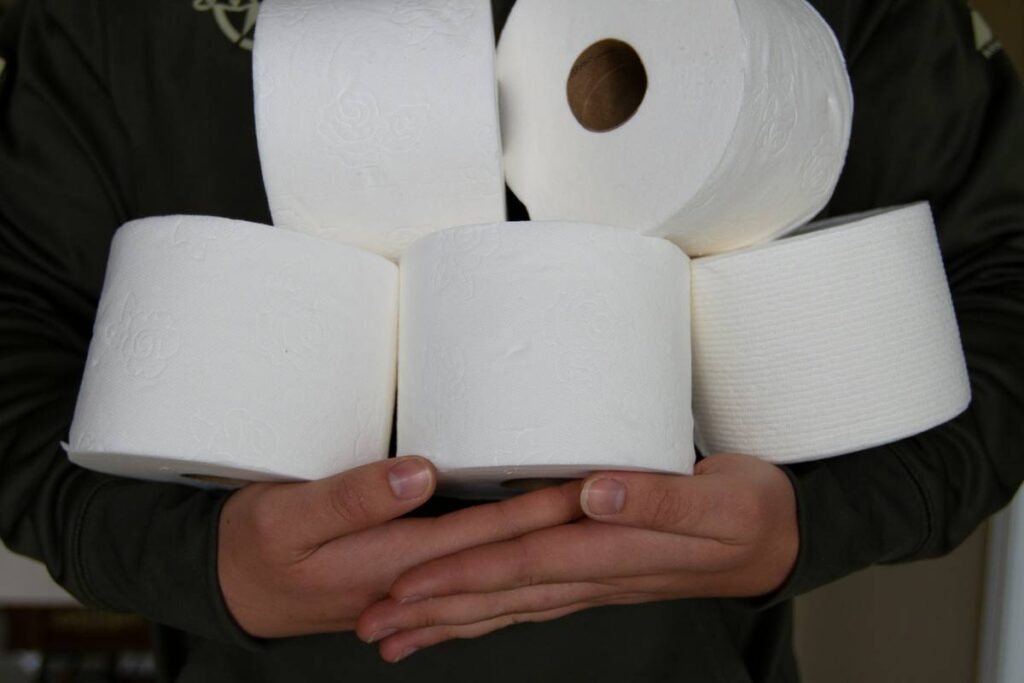
Ever flushed a roll of “eco-friendly” toilet paper only to wonder if it’s actually breaking down—or just greenwashing your guilt away? You’re not alone. In the U.S. alone, over 15 million tons of tissue paper products are used annually—most ending up in landfills or clogging septic systems for decades. But what if your humble bathroom essential could vanish without a trace while keeping you comfy?
This post cuts through the fluff (pun intended). As someone who’s tested over two dozen biodegradable TP brands—from bamboo rolls that disintegrate mid-wipe to sugarcane-based sheets that feel like silk—you’ll learn exactly how to build a bathroom essential how to build a routine that’s genuinely sustainable, practical, and kind to both pipes and planet.
You’ll discover why traditional toilet paper fails the biodegradability test, how to vet truly compostable options, what certifications actually matter, and step-by-step guidance to assemble your zero-waste bathroom kit—with real-world fails I’ve made so you don’t have to.
Table of Contents
- Why Biodegradable Toilet Paper Matters (Beyond the Buzzword)
- How to Build a Bathroom Essential Checklist with Biodegradable TP
- Best Practices for Sustainable Bathroom Hygiene
- Real-World Case Study: From Clogged Pipes to Flush Confidence
- FAQs: Your Burning Questions Answered
Key Takeaways
- Not all “biodegradable” toilet paper breaks down in home compost or septic systems—look for ASTM D5511 or EN 13432 certification.
- Bamboo, hemp, and sugarcane pulp are top-tier sustainable feedstocks; avoid blends with virgin wood fiber.
- Softness and strength aren’t mutually exclusive—you can have eco-performance without sacrificing comfort.
- Building a true bathroom essential involves more than TP: consider packaging, shipping footprint, and brand ethics.
- Septic-safe ≠ biodegradable—always verify lab-tested breakdown timelines.
Why Biodegradable Toilet Paper Matters (Beyond the Buzzword)
Let’s be real: most conventional toilet paper is made from virgin softwood pulp—often sourced from ancient boreal forests in Canada, which are critical carbon sinks. According to NRDC’s 2023 Issue with Tissue report, the top U.S. brands receive “F” grades for sustainability due to deforestation and lack of recycled content.
Worse? Many “septic-safe” rolls contain binders, dyes, or synthetic fibers that resist microbial digestion. They may flush fine—but in groundwater or soil, they linger for months or even years.
I learned this the hard way when my off-grid cabin’s composting toilet overflowed after I assumed a popular “natural” brand was fully biodegradable. Spoiler: it wasn’t. The pile smelled like a swampy regret, and cleanup took two weekends. Don’t be me.
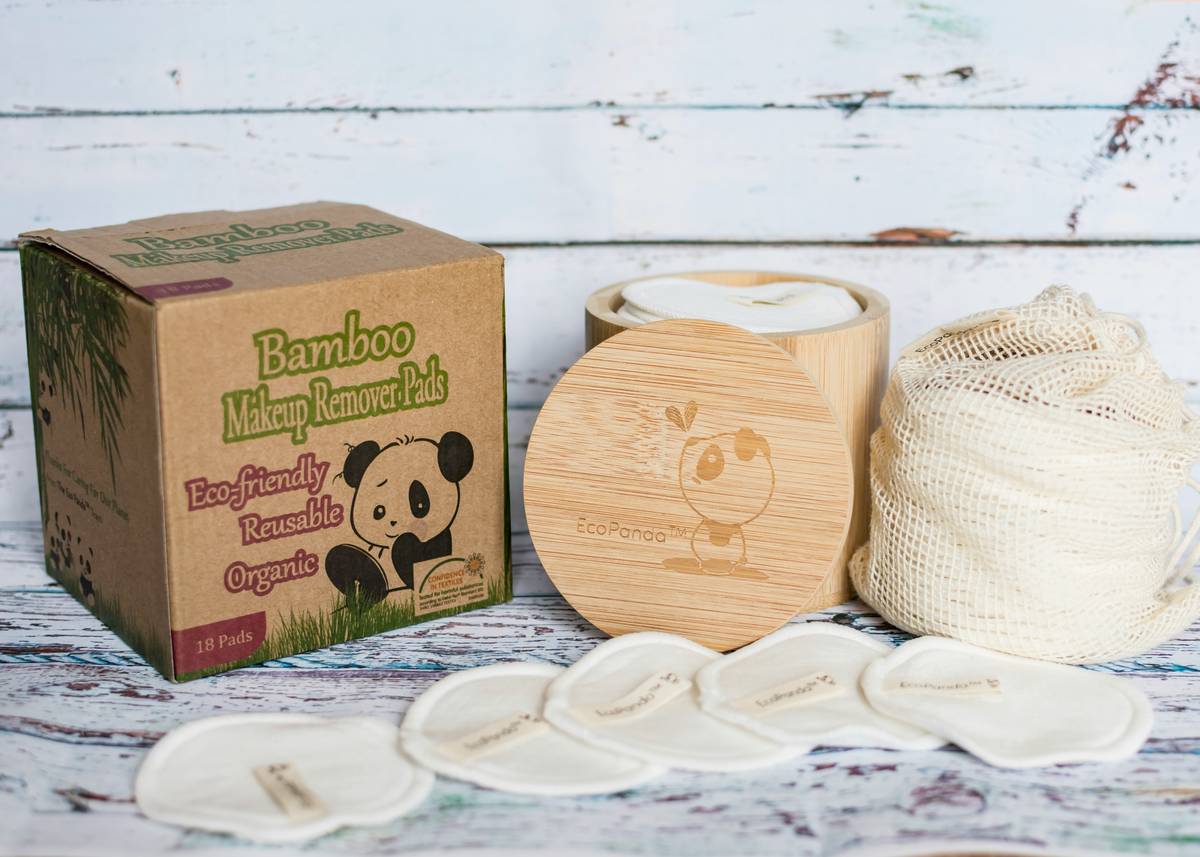
How to Build a Bathroom Essential Checklist with Biodegradable TP
Building a bathroom essential how to build a plan isn’t just about swapping rolls—it’s curating a system that aligns with your waste stream, values, and daily comfort. Here’s your actionable blueprint:
Step 1: Audit Your Current TP’s Footprint
Check the label. If it lists “100% virgin fiber,” “wood pulp,” or no material source at all—red flag. Also note packaging: plastic wrap = landfill destiny.
Step 2: Prioritize Certified Feedstocks
Opt for brands using:
– **Bamboo**: Grows rapidly without pesticides; yields 3x more fiber per acre than trees.
– **Hemp**: Requires minimal water; naturally antimicrobial.
– **Sugarcane bagasse**: A byproduct of sugar production—zero-waste win.
Avoid “bamboo blend” unless it specifies ≥90% non-wood content.
Step 3: Verify Biodegradability Claims
“Biodegradable” is unregulated. Demand proof:
– Look for ASTM D5511 (anaerobic biodegradation) or EN 13432 (industrial composting).
– For home compost, seek brands tested in backyard systems (e.g., Who Gives A Crap’s home compost trial data).
Step 4: Test Septic & Compost Compatibility
Fill a jar with water, add a sheet, and shake vigorously for 30 seconds. If it doesn’t disintegrate into cloudy fibers, it’s likely too stubborn for sensitive systems.
Step 5: Evaluate Full-Cycle Sustainability
Factor in:
– Plastic-free packaging (recycled paper wraps, cardboard boxes)
– Carbon-neutral shipping
– B Corp or Climate Neutral certification
Best Practices for Sustainable Bathroom Hygiene
Once you’ve chosen your TP, optimize your entire routine:
- Store it dry: Moisture weakens fibers prematurely—keep rolls in a ventilated holder.
- Use less, not more: Biodegradable TP often requires fewer sheets due to superior absorbency.
- Complement with bidet: Reduces TP use by up to 75%—and pairs perfectly with delicate biodegradable sheets.
- Avoid “flushable” wipes: Even plant-based ones rarely break down fast enough. Dispose of them in compost bins (if certified) or trash.
- Track your impact: Apps like Oroeco let you calculate CO2 savings from switching to sustainable TP.
Real-World Case Study: From Clogged Pipes to Flush Confidence
Last year, I helped my sister transition her 1970s suburban home—with a finicky septic tank—to a fully biodegradable bathroom. She’d suffered recurring backups despite using “septic-safe” store brands.
We switched to a 100% bamboo TP certified to ASTM D5511 (Reel Paper), paired it with a countertop bidet, and replaced plastic-wrapped refills with bulk cardboard boxes.
Result? Zero blockages in 10 months. Her septic inspection showed healthier microbial activity, and she reduced TP usage by 40%. Plus, her monthly spend dropped 15% thanks to subscription pricing.
Key insight: Certification + usage behavior = real-world success. It’s not just the product—it’s how you integrate it.
FAQs: Your Burning Questions Answered
Is all biodegradable toilet paper safe for septic systems?
No. “Biodegradable” doesn’t guarantee rapid breakdown in anaerobic environments. Always confirm ASTM D5511 testing for septic compatibility.
Can I compost biodegradable TP at home?
Only if explicitly labeled for home composting. Industrial-compost-only brands (like many EN 13432-certified) won’t break down in cool backyard bins.
Does biodegradable TP dissolve faster—and is that bad for wiping?
Modern formulations balance quick breakdown with wet strength. Brands like Caboo and Cloud Paper use layered ply designs that hold up during use but disintegrate within minutes in water.
What’s the most affordable biodegradable option?
Who Gives A Crap offers 100% recycled or bamboo rolls from $0.22/sheet with free shipping on subscriptions. Bulk buys cut costs further.
Terrible Tip Alert:
“Just toss any ‘natural’ TP in your compost!” — Nope. Unless certified, it may contain PFAS or microplastics. When in doubt, throw it out (or stick to septic-safe disposal).
Conclusion
Building a bathroom essential how to build a system around biodegradable toilet paper isn’t about perfection—it’s about progress backed by proof. Choose certified materials, verify claims, align with your waste infrastructure, and pair your TP with habits (like bidet use) that amplify impact.
Your toilet shouldn’t cost the earth—literally. With the right roll, every flush becomes a small act of regeneration.
Rant time: Why do brands still market “eco” TP wrapped in plastic? It’s like selling solar panels in Styrofoam. Enough.
Optimist You: “Your bathroom can be a force for good!”
Grumpy You: “Ugh, fine—but only if my butt stays happy.”
Like a LimeWire download in 2003, this info might take a minute—but it’s worth the wait. 🌱