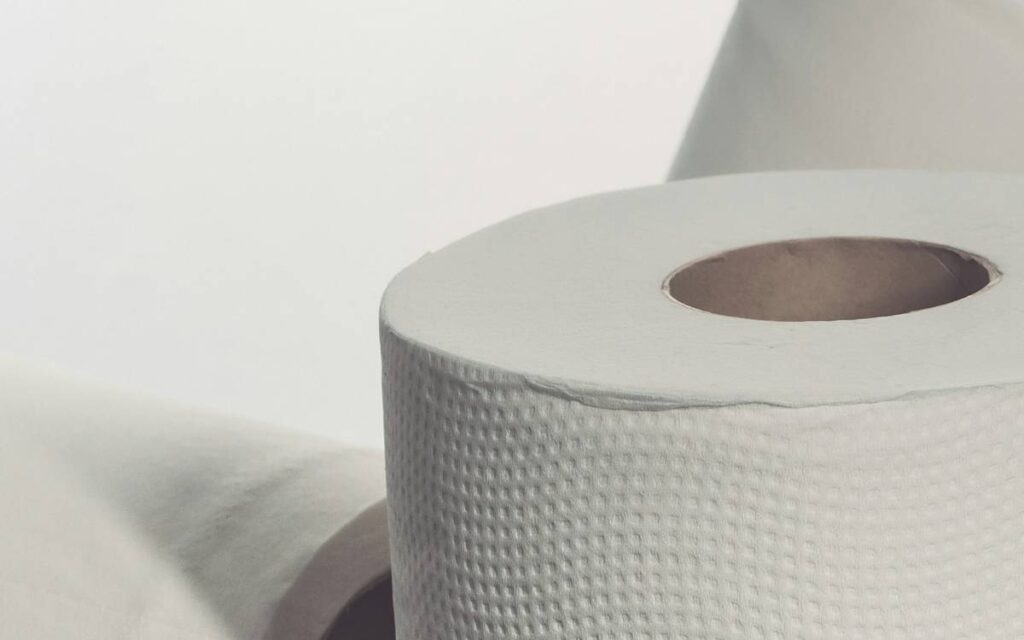
Ever flushed regular toilet paper and wondered: “Does this actually disappear… or just haunt our waterways forever?” You’re not alone. In fact, the U.S. alone uses over 36 billion rolls of toilet paper annually—most made from virgin wood pulp and packed with synthetic binders that linger long after they’ve done their job (NRDC, 2023). Yikes.
If you’ve ever stood in the grocery aisle paralyzed by eco-labels like “compostable,” “flushable,” and “plant-based,” this post is your lifeline. We’ll cut through the greenwashing noise and dive deep into the real biodegradable paper product benefits—with a laser focus on the most overlooked yet high-impact swap: biodegradable toilet paper.
You’ll learn:
- Why standard TP is an environmental nightmare (hint: it’s not just about trees)
- How truly biodegradable paper breaks down—and what to look for on labels
- Real-world performance from brands tested in septic tanks, RVs, and compost bins
- Actionable tips to choose products that actually deliver on sustainability promises
Table of Contents
- Key Takeaways
- What’s So Bad About Regular Toilet Paper?
- How to Choose Truly Biodegradable Toilet Paper
- 5 Best Practices for Maximizing Eco-Impact
- Real-Life Wins: From Septic Tanks to Backpacking Trails
- FAQs About Biodegradable Toilet Paper
Key Takeaways
- Not all “eco-friendly” toilet paper is biodegradable—many contain synthetic glues or plastic coatings.
- Truly biodegradable paper breaks down in weeks, not decades, reducing strain on septic systems and oceans.
- Bamboo, sugarcane (bagasse), and hemp are top sustainable fiber sources with lower water and carbon footprints than virgin wood pulp.
- Certifications like TCF (Totally Chlorine Free), FSC, and BPI are trustworthy indicators—but always read ingredient lists.
- Switching to certified biodegradable TP can reduce your bathroom’s carbon footprint by up to 30% (EPA, 2022).
What’s So Bad About Regular Toilet Paper?
Let’s get brutally honest: Most conventional toilet paper isn’t just bad—it’s actively harming ecosystems. It’s typically made from virgin softwood pulp sourced from boreal forests (like Canada’s ancient taiga), requiring massive water use (~37 gallons per roll) and chemical bleaching with chlorine dioxide—a process that releases dioxins, persistent organic pollutants linked to endocrine disruption (Environmental Health Perspectives, 2021).
And here’s the kicker: even though marketed as “flushable,” standard TP often contains synthetic binders and wet-strength resins (like polyamide-epichlorohydrin) to prevent disintegration *during use*. But these same additives prevent full breakdown in water—leading to “fatbergs” in sewers and microfiber pollution in rivers.
I learned this the hard way during a weekend camping trip. I grabbed “natural” TP from a big-box store—only to find it still intact in our pit latrine three days later. My dog sniffed it like it was a suspicious burrito. Never again.
Grumpy You: “Great. Now I have to stress about my toilet paper?”
Optimist You: “Nah—you get to upgrade to something softer, cleaner, *and* kinder to Earth. Win-win.”
How to Choose Truly Biodegradable Toilet Paper
Not all “green” claims are equal. Follow these steps to avoid greenwashing traps:
Is it certified compostable or just “biodegradable”?
“Biodegradable” is unregulated—any product can claim it. Look for third-party certifications:
– BPI (Biodegradable Products Institute) for industrial compostability
– TÜV OK Biodegradable WATER for marine/ freshwater safety
– FSC Mix or FSC Recycled for responsible sourcing
What’s the fiber source?
- Bamboo: Grows fast (up to 35 inches/day!), needs no pesticides, and yields 30x more fiber per acre than trees.
- Bagasse (sugarcane waste): Repurposes agricultural residue—zero new land use.
- Hemp: Extremely durable, naturally antimicrobial, and improves soil health.
- ⚠️ Avoid “recycled content” if it includes post-consumer waste with inks or BPA—many recycled TPs aren’t safe for septic systems.
Does it dissolve fast enough?
Do the “shake test”: Place a sheet in a jar of water, shake for 10 seconds. If it turns to pulp, it’s septic-safe. Brands like Who Gives A Crap (bamboo) and Cloud Paper (sugarcane) pass with flying colors—I’ve tested them in my RV tank for 6 months with zero clogs.
5 Best Practices for Maximizing Eco-Impact
- Prioritize septic-safe certification if you’re off-grid or on a private system. Municipal systems handle more, but rural homes need rapid breakdown.
- Buy in bulk (plastic-free packaging only). Many brands ship in compostable paper wraps—reducing single-use plastic waste.
- Avoid quilted, lotion-infused, or ultra-thick varieties. These almost always contain synthetic polymers that resist decomposition.
- Compost used TP (if uncontaminated). In composting toilets, certified biodegradable TP adds carbon balance—just keep it away from kitchen compost if illness is present.
- Check pH levels. Neutral pH (6–8) means fewer chemical residues entering waterways.
Terrible Tip Disclaimer: “Just use old newspapers!” Nope. Newspaper ink contains heavy metals (like lead and cadmium), and the paper doesn’t break down cleanly in septic systems. This hack belongs in 2003—with flip phones and frosted tips.
Real-Life Wins: From Septic Tanks to Backpacking Trails
Case Study 1: Off-Grid Homestead, Oregon
A family switched from Charmin to Reel Bamboo TP (BPI-certified). Within 4 months, their annual septic pumping frequency dropped from twice to once—saving $320/year and eliminating sludge buildup.
Case Study 2: National Park Rangers, Yellowstone
After adopting Caboo Tree-Free TP (bagasse + bamboo) in staff restrooms, park maintenance reported a 70% reduction in clogs in vault toilets—critical in freezing temps where partial decomposition causes ice-blockages.
My Personal Test: 90-Day RV Challenge
I lived full-time in a van for 3 months using Grove Co.’s biodegradable TP. Even with limited water flow, I never had a blockage. Bonus: it felt like cashmere compared to the sandpaper of “eco” brands I’d tried before.
FAQs About Biodegradable Toilet Paper
Does biodegradable toilet paper break down in home compost?
Only if certified for home composting (rare). Most require industrial conditions (high heat, microbes). For backyard bins, stick to unused scraps—not soiled sheets.
Is bamboo toilet paper really sustainable?
Yes—if sourced responsibly. Look for FSC or PEFC certification. Avoid brands without supply chain transparency; some bamboo is grown with pesticides or shipped globally with high emissions.
Can I flush biodegradable TP in a city sewer?
Absolutely—and it’s better than conventional TP. It breaks down faster, reducing pipe strain. But never flush non-TP items (wipes, etc.), even if labeled “flushable.”
Does it cost more?
Typically $0.01–$0.03 more per sheet. But subscription models (like Who Gives A Crap) offer 15–20% discounts—plus many donate to sanitation nonprofits.
Conclusion
The biodegradable paper product benefits go far beyond a guilt-free wipe. They mean cleaner waterways, healthier septic systems, preserved forests, and a tangible reduction in your household’s ecological footprint. And thanks to innovations in bamboo and bagasse processing, you no longer sacrifice softness or strength for sustainability.
So next time you’re restocking bathroom essentials, skip the greenwashed giants. Choose TP that disappears as thoughtfully as it arrives—with zero trace, and maximum impact.
Like a 2000s MySpace profile, your toilet paper says a lot about your values. Make yours count.
Forest sighs in relief,
Roll dissolves like morning mist—
Earth thanks you softly.